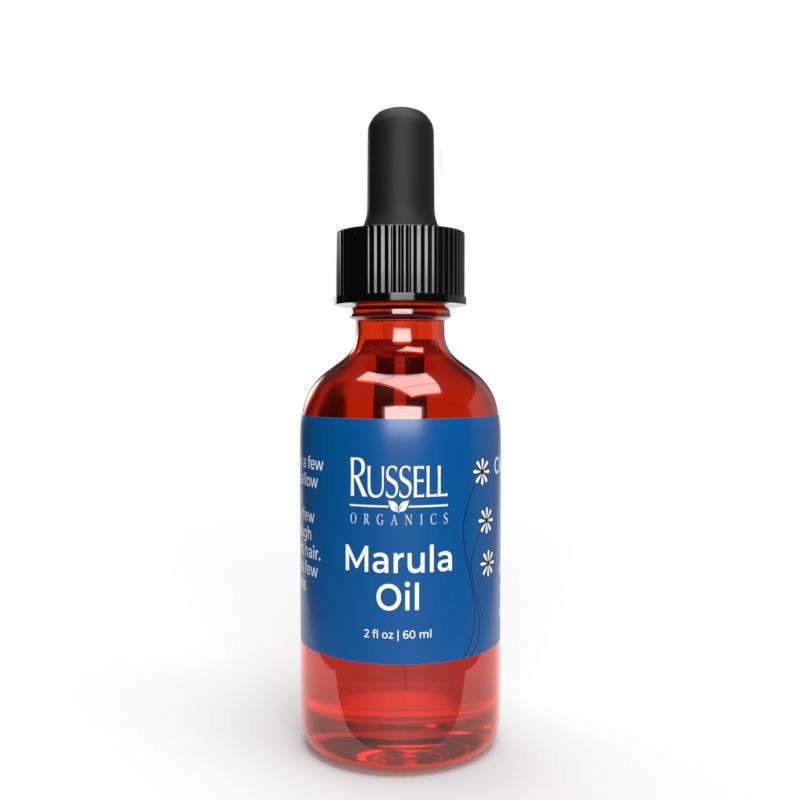
Our Marula Oil stands as a certified organic beauty marvel now revered by skincare, haircare, and nail aficionados worldwide. Sourced from the kernels of the African Marula tree (Sclerocarya birrea), it overflows with nourishing fatty acids, potent antioxidants, and essential vitamins to fortify and defend. Read on for answers to the top Marula Oil FAQs—its benefits, usage tips, and sourcing—so you can harness this golden elixir to its fullest.
________________________________________
1. Can Marula Oil Be Used on Hair?
Answer: Without a doubt. Marula Oil is prized for its ability to hydrate, strengthen, and protect hair without weighing it down. See why it’s beneficial and the best application methods:
Intense Moisture for Parched Hair
• Reason It Works: Packed with oleic acid (omega-9) and linoleic acid (omega-6), Marula Oil penetrates hair strands to lock in moisture and fight dryness.
• Result: Strands turn softer, silkier, and easier to handle.
Frizz Control and Smoothing
• How It Works: Marula Oil’s lipids streamline the hair cuticle ensuring smooth, glossy hair with minimized frizz.
• Outcome: Flyaways settle, and hair appears shinier and more uniform.
Nurturing the Scalp
• Key Nutrient: Marula Oil contains vitamin E (an antioxidant) and sterols, which help maintain a healthy scalp environment.
• How to Apply: A gentle scalp massage with 2–3 drops stimulates circulation while delivering nutrients that can reduce dryness and flakiness.
• Result: Balanced scalp reduces breakage and fosters healthier growth.
Shield Against Heat Damage
• Protection Method: Use Marula Oil pre-styling to wrap strands in a heat-resistant veil.
• Outcome: This barrier helps minimize the damaging effects of high temperatures, reducing split ends and brittleness over time.
Enhanced Flexibility
• Benefit: Its fatty acids let strands stretch without breaking.
• Effect: Hair becomes more resilient when combing or styling, leading to less breakage.
Application Methods for Hair
Pre-Shampoo Treatment
• Measure: Apply 1 dime-sized drop for short hair, 1–2 teaspoons for long hair.
• Apply: Massage from the scalp (if needed) through mid-lengths to the tips.
• Work In: Use fingertips to massage into scalp, then smooth through strands.
• Leave on: Allow 15–30 minutes for deep conditioning.
• Rinse & Shampoo: Shampoo thoroughly and apply your usual conditioner.
Effect: Hair emerges stronger, silkier, and tangle-free.
Daily Hydration Treatment
• Towel-Dry: Remove excess water so hair is damp but not soaked.
• Dispense & Warm: Rub 2–4 drops of Marula Oil between your palms.
• Apply to Ends: Work the oil through mid-lengths to ends, steering clear of roots.
• Proceed to Style: Comb through and style.
Effect: Daily hydration tames frizz and protects ends.
Finishing Touch Serum
• Dot & Smooth: Before heading out, put one small drop (or two for thicker hair) in your palms.
• Target Dry Areas: Sweep lightly over split ends and flyaways.
Result: Delivers a final shine and frizz control.
By incorporating Marula Oil into your haircare routine—whether as a mask, leave-in, or styling serum—you support stronger, more hydrated, and visibly healthier hair without any greasy buildup.
________________________________________
2. Can Marula Oil Clog Pores?
Answer: Highly unlikely. Marula Oil is generally regarded as non-comedogenic (it rates around 0–1 on the comedogenic scale, which goes from 0 to 5), even in combination or oilier skin types. Reasons Include:
Feather-Light Consistency
• Absorption: Its lightweight nature lets it sink in fast. It won’t leave a greasy film as heavier oils do.
• Benefit: It goes deep rather than lingering, minimizing trapped impurities.
Harmonizing Skin’s Oil Production
• Natural Oil Mimicry: The fatty acid profile is similar to the skin’s natural sebum, which helps regulate oil production.
• Benefit: It typically curbs shine rather than spurring it.
Antioxidant and Anti-Inflammatory Components
• Protective Vitamins: These antioxidants help protect the skin barrier and reduce inflammation—factors that can indirectly help minimize acne flare-ups.
• Phenolic Compounds: Have gentle anti-inflammatory effects that soothe the skin, reducing the likelihood of clogged pores arising from irritation.
Avoiding Breakouts
• Apply to Clean Skin Only:
Ensure your face is freshly washed. This ensures you’re not sealing in makeup, sunscreen, or environmental pollutants under the oil.
• Less Is More:
Small amounts suffice. Apply just 2–3 drops initially. Add more gradually if needed, without saturating.
• Patch Test First (Especially If You’re Acne-Prone):
Test 1 drop on a discreet area like behind your ear and observe for 24 hours.
• Find the Right Frequency:
o Every Night: Many users apply Marula Oil nightly without issue.
o Every Other Night or Weekly Mask: For excess oil or breakouts, try it 2–3 times weekly or as a weekly mask.
In summary, its feather-light feel and 0–1 comedogenic rating ensure it rarely clogs pores. If you’re prone to breakouts, begin with minimal use, watch your skin’s reaction, and tweak as needed.
________________________________________
3. Facial Application Guide
Answer: Marula Oil is a versatile facial oil that delivers hydration, antioxidant protection, and a radiant glow—without feeling heavy. Follow these steps to integrate Marula Oil into your skincare regimen effectively:
3.1 Choose When to Use It
• Morning (Optional):
o Ideal For: Those with dry, mixed, or aging skin may enjoy a morning drop or two before makeup.
o Reason: Gives a luminous, hydrated base for makeup. If you use Marula Oil in the morning, apply sunscreen over it.
o Tip: Oily or acne-prone skin may prefer skipping mornings or just using one drop under their cream.
• Night (Recommended for Most):
o Who: Ideal for anyone seeking deep hydration and repair.
o Reason: Skin’s natural repair mechanisms are most active overnight—Marula Oil’s nutrients and antioxidants support this process.
o Note: Follow any serums (like retinol or vitamin C) with 3–4 drops at night.
3.2 Step-by-Step Application
1. Cleanse Thoroughly:
o Remove makeup, SPF, and daily grime using a gentle cleanser. Pat dry gently; oil adheres better to slightly damp skin.
2. Optional Serums & Treatments:
o If you use a hydrating or corrective serum (such as a hyaluronic acid serum or a targeted treatment for dark spots), apply now. Give it 30–60 seconds to absorb deeply.
3. Prepare the Oil:
o Place 2–4 drops of Marula Oil into clean palms. Warm in palms so it glides on evenly.
4. Press In & Massage:
o Technique:
Press: Gently press palms onto cheeks, forehead, chin, and neck.
Massage: Rub in upward, circular strokes for about 30 seconds.
o Focus Areas:
Dry patches
Fine lines (around eyes, mouth)
Areas prone to sensitivity or redness
5. Layering (Optional):
o For very dry skin, follow with a water-based moisturizer. Marula Oil often replaces heavier creams, but you can layer if needed.
6. Sunscreen & Makeup (Morning Only):
o Finish morning routine with SPF 30+, waiting a minute before makeup.
3.3 Variations & Tips
• Blend with Cream:
Add a drop to a small dab of cream for extra hydration.
• Spot Repair:
Apply a small drop to any flaky, lined, scarred, or irritated spot and massage lightly.
• Overnight Mask (Weekly Treatment):
1. Wash face deeply.
2. Use 5–7 drops to coat entire face.
3. Let it work for at least 20–30 minutes or overnight.
4. In the AM, blot away or rinse lightly, then continue your regimen.
o Who: Oily or acne-prone skin types benefit from this mask once per week, as it hydrates without daily layering.
3.4 Key Facial Advantages
• Hydration & Barrier Strengthening:
By sealing in hydration, fatty acids keep skin plump while strengthening its barrier to prevent water loss.
• Free Radical Defense:
Antioxidant vitamins combat damage from sun and pollution, smoothing fine lines and evening out color.
• Anti-Inflammatory Relief:
Anti-inflammatory sterols and phenolic compounds reduce redness and irritation. This makes Marula Oil suitable for sensitive or reactive skin types (e.g., mild rosacea, eczema).
• Subtle Brightening:
Vitamin C’s gentle brightening action helps lighten surface spots, revealing a more uniform tone.
• Compatibility with Actives:
Use it under retinoids or vitamin C to reduce dryness and irritation.
Apply these tips to maximize Marula Oil’s benefits—moisturized, glowy, and calm skin with no oily residue.
________________________________________
4. What Is Marula Oil Made From?
Answer: Marula Oil is a pure, plant-based oil pressed from the kernels (seeds) of the Marula nut. Here’s a detailed look at its source and how it’s extracted. Below is a closer look at its origins, how it’s harvested, and why this matters:
4.1 Origin of the Marula Tree
• Botanical Name: Sclerocarya birrea, commonly known as Marula.
• Geographic Habitat:
o Southern African Range: South Africa, Namibia, Botswana, Zimbabwe.
o Eastern African Range: Mozambique, Tanzania.
• Wild vs. Farmed: Wild-harvested—Marula trees grow naturally rather than in industrial plantations. Because they are not farmed intensively, there is no large-scale deforestation to produce Marula Oil.
4.2 Marula Fruit Anatomy
• Marula Fruit:
o Appearance: Round, yellow, and about 2–4 cm across when ripe.
o Traditional Uses: Local peoples enjoy the pulp fresh, use it in fermented drinks, or make jams.
o Nutrient Highlights: Packed with vitamin C and antioxidants, it’s a favorite of wildlife like elephants.
• Kernel Description:
o Shell: Hard, woody exterior.
o Edible Kernel: The edible seed inside the nut, which contains approximately 60% oil by weight.
4.3 Harvesting & Processing
1. Harvesting:
o Harvest Season: Fruits ripe and drop in late summer.
o Who: Local women’s cooperatives collect the fallen fruit, a tradition that spans generations.
2. Shelling & Kernel Preparation:
o Manual Sorting: Workers remove any remaining fruit pulp, then crack open the hard shells to extract kernels.
o Sun-Drying: Sun-dry kernels to lower moisture, preserving nutrients and preventing mold.
3. Cold-Pressing:
o Why Cold-Pressing Matters: Applying minimal heat during extraction preserves sensitive nutrients—vitamins, antioxidants, and essential fatty acids.
o Pressing Process:
Mechanical Press: A mechanical press squeezes kernels gently without too much heat.
Yield: Oil oozes out and is collected in a container beneath
o Benefits: Ensures nutrients, aroma, and flavor remain intact.
4. Filtering & Bottling:
o Filtering: Filtering removes any residual solids, producing a clear, golden-hued oil.
o Packaging: To protect the fragile components, Marula Oil is packaged in dark amber or cobalt blue glass bottles. These block UV light that could degrade fatty acids and antioxidants over time.
4.4 Key Components of Marula Oil
• Oleic Acid (Omega-9): Hydrates deeply, mimicking skin’s own oils.
• Linoleic Acid – 4–10%: Supports barrier function and moisture retention.
• Palmitic & Stearic Acids: Small amounts that help nourish and soften skin.
• Antioxidants:
o Vitamin E (Tocopherols): Defends skin from oxidative damage.
o Vitamin C: Supports collagen synthesis and tone improvement.
• Phenolic Compounds & Sterols: Offer inflammation relief and gentle calming effects.
With its balanced profile, Marula Oil hydrates, reinforces the skin barrier, and fights aging in a non-greasy formula.
________________________________________
5. Fragrance Profile
Answer: Marula Oil has a gentle, natural aroma—unlike heavier or more pungent oils.
• Light Nut Aroma: A delicate nutty hint, softer than typical nut oils like coconut or peanut.
• Soft Sweetness: A soft sweet whiff, hinting at its fruity Marula root but never overwhelming.
• Barely There on the Skin: The scent vanishes soon after you apply, unlike heavy fragrances.
o Why It Matters: Perfect for layering under scented products since it disappears swiftly.
All in all, Marula Oil’s mild, sweet-nut scent is unobtrusive, perfect for anyone sensitive to smells.
________________________________________
6. Timing Your Marula Oil Use
Answer: Marula Oil’s versatility means you can incorporate it into your routine at different times—morning, night, weekly, or on demand.
6.1 Daytime Use (Optional)
• Ideal For: Skin that dries out quickly or shows early signs of aging can use it in the morning.
• Reason: Marula Oil forms a protective barrier to lock in moisture and shield skin from environmental stressors like pollution, wind, and dry air.
• How to Apply:
1. Wash Face: Use a gentle, non-stripping cleanser.
2. Optional Serum: Apply treatment serum and wait to sink in.
3. Apply 1–2 Drops: Warm between palms, then press onto cheeks and under eyes.
4. Finish with SPF: Apply SPF 30+ after a minute.
• If Acne-Prone: For oily or acne-prone skin: Skip morning use or limit to ½ drop under moisturizer.
6.2 Nighttime Routine (Recommended)
• Who: Everyone can benefit, especially those with dry, sensitive, or mature skin.
• Why: Overnight, skin’s repair mechanisms are most active—Marula Oil’s nutrients and antioxidants support renewal.
• Method:
1. Remove Makeup & Cleanse: Ensure all makeup, SPF, and dirt are washed away.
2. Layer Active Treatments: Apply any actives first and wait a minute to sink in.
3. Dispense 3–4 Drops: Pat across face and neck with warm palms
4. Massage In: Gently massage in circular upward strokes for half a minute or more.
• Add Night Cream: If still dry, follow with a richer night cream; however, Marula Oil often replaces the need for a heavier moisturizer.
6.3 Once-a-Week Hydration Mask
• Who: Perfect for skin that’s oily or acne-prone to enjoy weekly hydration without daily oiling.
• Why: A weekly mask lets your skin soak up Marula Oil’s nutrients without risking daily congestion.
• How to Use:
1. Cleanse Thoroughly: Remove makeup, oil, and product residue with a gentle cleanser.
2. Dispense 5–7 Drops: Gently pat all over face.
3. Sit for 20–30 Minutes: Lie back and relax while it penetrates deeply.
4. Remove Excess: Gently pat off extra oil or rinse off.
6.4 Use on Hair & Body Anytime
• Haircare:
o Deep Pre-Wash Treatment: Massage 2–3 tablespoons into dry hair and scalp. Leave for 20–30 minutes, then shampoo and condition.
o Leave-In Conditioner: On damp hair (post-shower), rub 1–2 drops between palms and apply to mid-lengths and ends.
• Body:
o Rough Areas: Rub into dry patches like elbows, knees, and cuticles
o Scars & Stretch Marks: Use a drop on scars or stretch marks each day to help fade and firm.
• Additional Applications:
o Makeup Remover: Apply onto a cotton pad to remove makeup, rinse or follow with your cleanser.
o Cuticle Oil: Massage a single drop into each cuticle to strengthen nails.
Matching morning, evening, weekly, or anytime applications to your needs helps you get the most from Marula Oil.
________________________________________
7. Where Does Marula Oil Come From?
Answer: Marula Oil is sourced from the kernels of the nut enclosed in the fruit of the Marula tree (Sclerocarya birrea). Below is a closer look at its origins, how it’s harvested, and why this matters:
7.1 Geographic Origins
• Marula Tree Habitat:
o Southern Africa: Predominantly found in South Africa, Namibia, Botswana, and Zimbabwe.
o Eastern Africa: Mars in Mozambique and Tanzania.
• Environmental Note: Unlike plantation crops, Marula trees grow in the wild, reducing deforestation pressure.
7.2 Community & Culture
• Fruit Collection (Late Summer): After ripening in late summer, the fruit falls to the ground and is collected by local communities.
• Fruit and Kernel Uses:
o Pulp Uses: The pulp is eaten or fermented into drinks, then made into jams.
o Nut Inside: Inside, a hard-shelled kernel holds about 60% oil, which becomes Marula Oil.
• Shelling & Drying: Kernels are removed and sun-dried to lower moisture, preserving nutrients and preventing spoilage.
• Cold-Pressing: Cold-pressing under low temperatures ensures vitamins and lipids remain intact.
• Ethical Sourcing:
o Fair Wages & Cooperatives: Local groups earn fair wages, and profits help fund community resources.
o Eco-Friendly: These trees support wildlife diets and curb soil erosion, bolstering local habitats.
7.3 Certifications & Impact
• Sustainability Practices: Palm and coconut oils often cause deforestation, whereas Marula is wild-harvested, leaving habitats intact.
• Certifications to Look For:
o USDA Organic: Certified organic, guaranteeing no synthetic chemicals.
o Fair Trade: Fair Trade status verifies community benefit.
o Natural Purity: Non-GMO certification confirms pure, unchanged kernels.
Responsible sourcing ensures community support and ecological preservation.
________________________________________
8. Where to Buy Marula Oil?
Answer: Not all Marula Oils are created equal—some blend with lower-grade oils or additives, so platform choice matters. The following guidelines will help you purchase genuine Russell Organics Marula Oil (or a similarly premium brand):
8.1 Trusted Retail Channels
• Official Brand Websites:
o Example: Purchase directly from the Russell Organics website to ensure you receive a 100% pure, certified organic, vegan, cruelty-free, and clean-beauty Marula Oil.
o Benefit: Brands often provide detailed information about their sourcing, processing, and sustainability practices.
• Specialty Beauty Retailers:
o Trusted e-tailers such as Sephora, Dermstore, Cult Beauty, and Credo stock premium, certified Marula Oil.
o These retailers confirm purity through review vetting and label checks.
• Natural Food & Wellness Stores:
o Whole Foods, Trader Joe’s, marula oil before or after moisturizer Local Co-ops: Some carry small brands specializing in ethically sourced oils.
o Look for “cold-pressed” and “organic” labels.
• High-End Salons:
o Benefit: High-end salons or luxury spas often carry small batches of artisan oils. Staff can provide in-person guidance and reassurance about product authenticity.
• Amazon (With Caution):
o How to Shop Safely:
Stay with Official Sellers: Stick to official brand pages or top-rated sellers.
Read Labels Carefully: Confirm “100% Pure Marula Oil” and look for certifications like USDA Organic or Fair Trade.
Pricing: If the price is unusually low (e.g., under $15 for a 1-ounce bottle), be skeptical—high-quality Marula Oil generally costs $25–$50 per ounce.
8.2 Label Indicators
• “100% Pure Marula Oil”: Check that no other ingredient is listed.
• “Cold-Pressed” or “Expeller-Pressed”: Ensures nutrient preservation through low-heat extraction.
• Dark Glass Bottle: Amber or cobalt blue bottles protect the oil from UV light, which can degrade its potency.
• Certifications:
o USDA Organic / EU Organic: Confirms no pesticides or synthetic fertilizers.
o Fair Trade / Rainforest Alliance: Validates ethical, community-based harvesting.
o Non-GMO: Assures kernels are not genetically modified.
• Batch or Lot Number: Enables tracking of batch-specific lab tests.
8.3 Price Expectations & Red Flags
• Price Range: Expect $25–$50 for a single ounce of authentic Marula Oil.
• Red Flags:
o Under $20/ounce: Probably adulterated or subpar.
o Opaque or Plastic Bottles: Avoid plastic bottles—look for transparent dark glass.
o Lack of Transparency: Transparency is key—lack of it is suspicious.
Careful vendor selection, label scrutiny, and price awareness ensure you get genuine, high-grade Marula Oil.
________________________________________
9. What Makes Marula Oil Excellent for Skin
Answer: Marula Oil stands out as a top-tier skincare ingredient because it merges deep hydration, powerful antioxidant protection, and soothing properties in one lightweight formula. Below is a detailed breakdown:
9.1 Ultra-Moisture & Barrier Repair
• Oleic Acid (Omega-9): Penetrates swiftly to quench skin, leaving it plump and soft.
o Effect: Your complexion regains elasticity and comfort, shedding dryness.
• Linoleic Acid – 4–10%: Strengthens your skin barrier to prevent water loss.
o Effect: A fortified barrier means fewer irritations and softer skin.
9.2 Antioxidant Protection
• Vitamin E (Tocopherol): Shields skin cells from oxidative stress.
o Effect: Slows down oxidative damage that leads to collagen breakdown, fine lines, and uneven skin tone.
• Vitamin C (Ascorbic Acid): Aids skin renewal and gentle brightening over time.
o Effect: Enhances radiance and gently lightens superficial blemishes.
• Phenolic Compounds & Sterols: Provide additional free-radical scavenging and anti-inflammatory benefits.
9.3 Calms & Comforts
• Sterols: Help calm irritated skin by supporting barrier function.
o Result: Calms red, irritated, or sensitive skin (e.g., rosacea, mild eczema, post-sun exposure).
• Phenolic Acids: Further soothe inflammation and promote gentle healing.
9.4 Anti-Aging Benefits
• Barrier Repair & Collagen Support: By providing essential fatty acids and antioxidants, Marula Oil helps preserve and protect existing collagen and elastin fibers.
o Result: Skin appears firmer with fewer lines.
• Hydration Plumping: Moisturized skin looks visibly plumper.
o Result: Lines soften, yielding a more youthful look.
9.5 Safe for Most Skin Types
• Low Comedogenic Score: Makes it safe for dry, combination, and mildly oily skin types.
o Result: Enjoy nightly use with little chance of pore congestion.
• Great for Reactive Skin: Free from synthetic fragrances, colors, and harsh chemical preservatives (when pure and cold-pressed).
o Result: Sensitive skin benefits from its soothing, natural formula.
9.6 Even Tone & Brightness
• Gentle Brightening: Over time, vitamin C may interfere with melanin production in melanocytes, leading to a more even complexion.
o Effect: Subtle lightening of superficial dark spots or mild hyperpigmentation.
9.7 Scar & Stretch Mark Support
• Enhanced Circulation: A gentle daily massage with Marula Oil can stimulate circulation, promoting tissue regeneration.
o Result: Marks soften, while skin texture improves with gentle massage.
• Moisture & Elasticity: By keeping skin well-hydrated, the oil prevents further tearing of compromised tissue (important for stretch marks)
o Effect: Elastic, hydrated skin helps scars and marks fade more quickly.
9.8 Versatility Across Age Groups
• Teen & Young Adult Skin:
o Acne-Prone Use: A single drop applied to a dry T-zone can help balance sebum production.
o Benefit: Fewer breakouts by balancing oil output.
• Early Adulthood (20s–30s):
o Proactive Care: Antioxidants preserve youthful bounce and ward off premature aging
o Benefit: Keeps your complexion fresh and balanced.
• Mature Skin (40s+):
o Deep Nourishment: Deeply nourishes to combat thinning barrier and dryness
o Benefit: Restores bounce and firmness for an age-defying look.
By delivering hydration, antioxidant defense, soothing relief, and gentle brightening without clogging pores, Marula Oil earns its place as a multi-functional skincare essential.
________________________________________
10. What Is Marula Oil Made From?
Answer: Derived solely from Marula nut kernels, it’s cold-pressed to retain abundant vitamins, antioxidants, and nourishing fats. Below is a quick look at how Marula kernels become oil:
• Marula Tree & Fruit:
o Botanical Name: Sclerocarya birrea.
o Fruit Characteristics: Yellow plum-like fruit encasing a tough shell with 1–2 kernels.
• Kernel Removal:
1. Collection: Women’s cooperatives gather fruit after it drops in late summer.
2. Cracking the Nut: Crack shells to separate kernels.
3. Sun-Drying: Kernels are left to dry under the sun to reduce moisture and preserve nutrients.
• Extraction & Purification:
1. Oil Press: Cold mechanical pressing yields nutrient-rich oil without heat damage.
2. Filtering: Strain through cloth or mesh to eliminate debris.
• Packaging: This unrefined oil is poured into dark amber or cobalt blue glass bottles to shield it from UV rays that can degrade its components over time.
Nutrient Highlights:
• Fatty Acids: Hydrating oleic acid and barrier-boosting linoleic acid.
• Protective Vitamins: Free-radical-fighting vitamins E and C.
• Soothing Agents: Anti-inflammatory phenolics and sterols calm and repair.
Cold-pressing and filtering retain every nutrient, resulting in a versatile, powerful oil.
________________________________________
11. What Does Marula Oil Smell Like? (Recap)
Answer: You’ll notice soft nutty notes and a faint sweet undertone, which quickly fades on skin. Perfect for anyone who prefers minimal aromas and seamless layering with other products.
________________________________________
12. Source Summary
Answer: Harvested from wild Marula trees in Africa, this oil’s production—led by women’s cooperatives—fosters sustainable practices and community empowerment.
________________________________________
13. Where to Buy Marula Oil? (Recap)
Answer: For real Marula Oil, stick to verified sellers and brands. Key sources include:
• Brand’s Site: Russell Organics (certified organic, vegan, cruelty-free)|
• Specialty Beauty Retailers: Sephora, Dermstore, Cult Beauty|
• Health-Focused Markets: Whole Foods, local co-ops|
• High-End Boutiques: Artisan or small-batch vendors|
• Amazon Shopping: Only from verified sellers, with “100% Pure Cold-Pressed Marula Oil” and proper certifications|
Confirm that the product is organic, cold-pressed, packaged in dark glass, and bears Fair Trade or Non-GMO seals. Authentic oil usually costs $25–$50/oz; cheaper often means diluted.
________________________________________
14. Key Skin Advantages
Answer: Because it delivers deep hydration, antioxidant defense, anti-inflammatory benefits, and barrier support—all in a lightweight, fast-absorbing formula. From preventing early aging to calming irritation, Marula Oil offers a comprehensive skin solution.
________________________________________
Marula Oil solves myriad beauty needs—hydrate and strengthen hair, deliver light, non-comedogenic hydration to the face, and soothe body. Harvested ethically from African Marula kernels, it’s cold-pressed into a nutrient-rich, fast-absorbing oil with a soft nutty scent. Use morning, evening, once weekly, or whenever you or your hair needs it. Look for certified, pure Marula Oil in dark glass packaging to ensure potency, and relish its complete nourishing and protective effects
Tools